Yes, gutters can sometimes be cleaned without removing the guards, depending on the guard design and debris buildup. At Gutter Cleaning Sacramento CA, we help homeowners maintain guarded gutter systems and reliable drainage. The right cleaning method depends on what collects above and beneath the guards.
Some systems allow surface debris removal without disturbing the installation. Others require partial or complete removal to reach the gutter channel. Understanding these differences helps homeowners choose the right maintenance approach.
In this guide, you will learn when guards can remain installed. You will also discover when professional removal may be necessary. These tips help Sacramento homeowners maintain their gutter systems throughout the year.
Can Gutters Be Cleaned Without Removing the Guards?
Yes, some gutter guards can be cleaned in place. Surface brushing, suitable vacuum equipment, and manufacturer approved methods may remove debris. However, these methods mainly address material accessible from above.
Debris can still collect underneath guards or inside the gutter channel. Pine needles, roof grit, and small leaf fragments may pass through openings. A surface that looks clean does not always mean the gutter is clear.
The correct method depends on guard design, installation, and debris levels. Simple screen guards may allow easier access than secured micro mesh systems. A professional inspection helps determine whether removal is necessary.
1. Understand Your Gutter Guard Type
Before cleaning, identify which gutter protection system your home uses. Different designs have different access requirements and cleaning limitations. Choosing the correct method helps protect the guards and gutters.
Screen and Mesh Guards
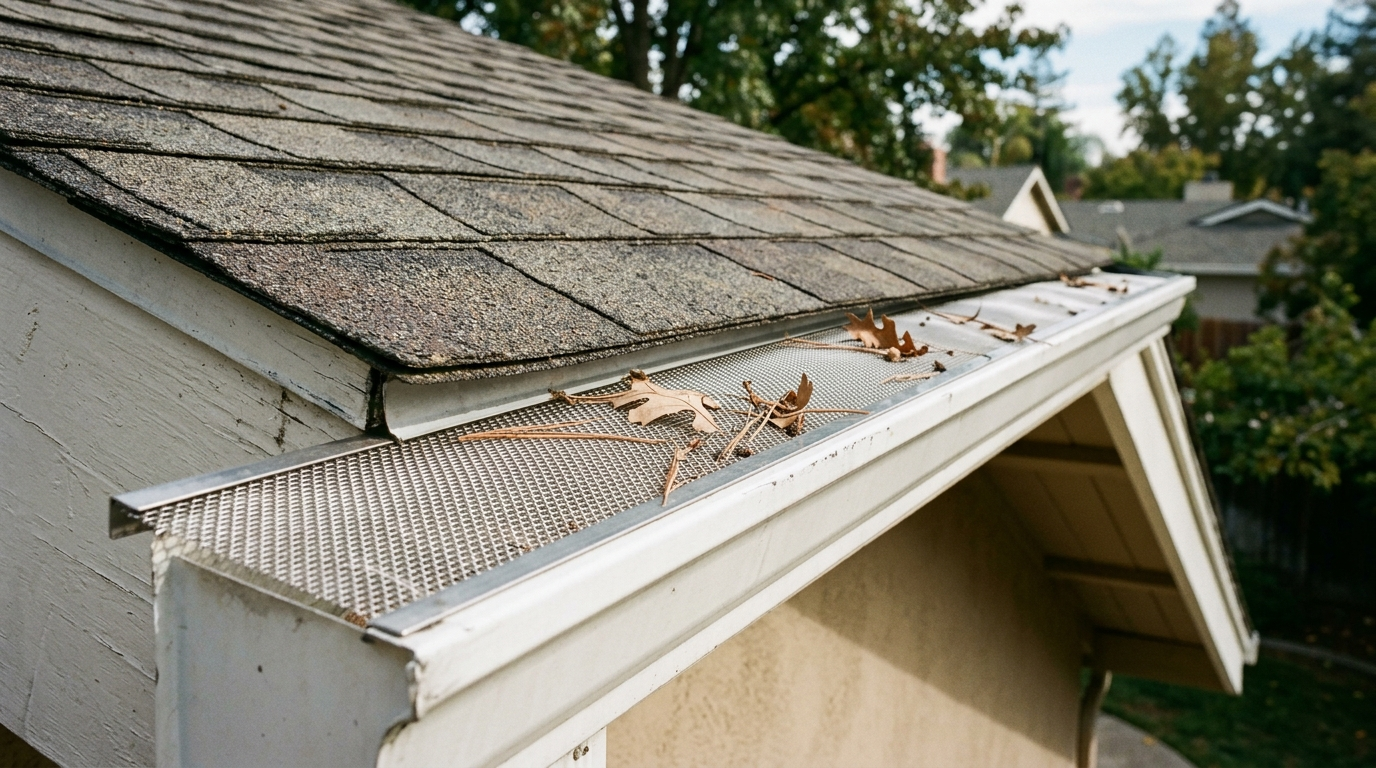
Screen guards usually contain openings that block larger leaves. Some debris can collect on the surface or pass through openings. Accessible material may be removed without taking the screens off.
Fine mesh systems require more careful handling during cleaning. Excessive pressure or unsuitable tools may damage the mesh. Follow manufacturer instructions before applying water or cleaning equipment.
Micro Mesh Guards
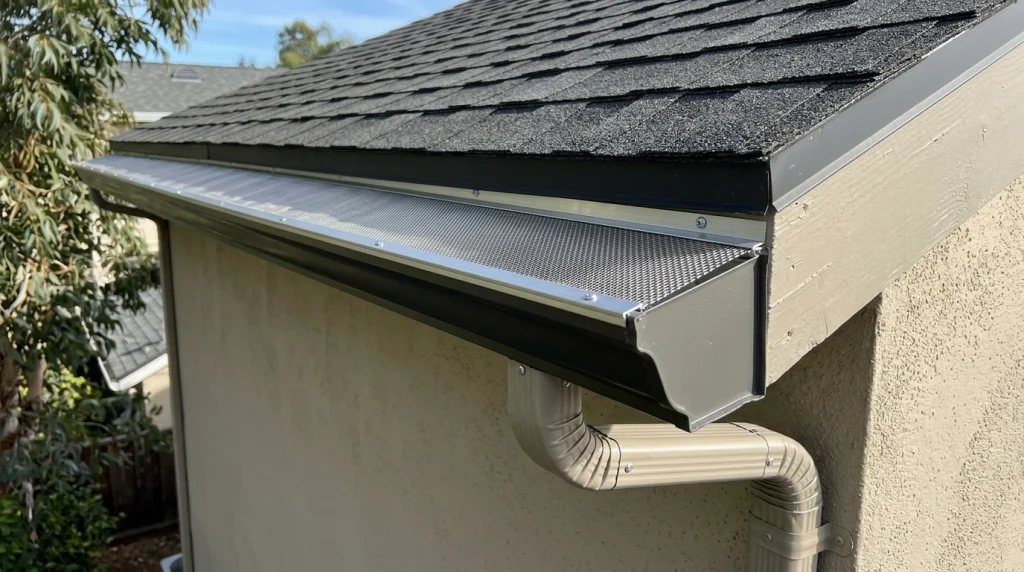
Micro mesh guards use fine screens to keep smaller debris out. They can still collect roof grit, pollen, and tiny leaf fragments. Some systems allow surface cleaning while remaining installed.
However, debris beneath the mesh may require additional access. Fastened systems may need careful removal and reinstallation. Avoid bending the frame or disturbing the roof edge.
Solid Surface and Reverse Curve Guards
Solid surface guards direct water around a curved cover. Leaves may slide off, but debris can still collect near openings. Their shape can make internal access more complicated.
Cleaning the visible surface may help maintain water entry points. It does not necessarily remove material inside the gutter trough. Follow the manufacturer’s guidance for cleaning and inspection.
For a deeper comparison, read our Gutter Guard Guide for Sacramento Homeowners.
2. When Can Gutter Guards Stay in Place?
Guards can often remain installed when debris is limited to accessible surfaces. Light leaves and loose material may be removable using suitable tools. The technician should still check whether water can enter the gutter.
In place cleaning may also suit systems with accessible openings. Some designs allow inspection or flushing without full disassembly. The specific method depends on the product and installation.
However, surface cleaning should not replace a complete inspection. If water flow remains restricted, more access may be necessary. Always confirm the cleaning method is appropriate for your guard system.
3. When Do Gutter Guards Need to Be Removed?
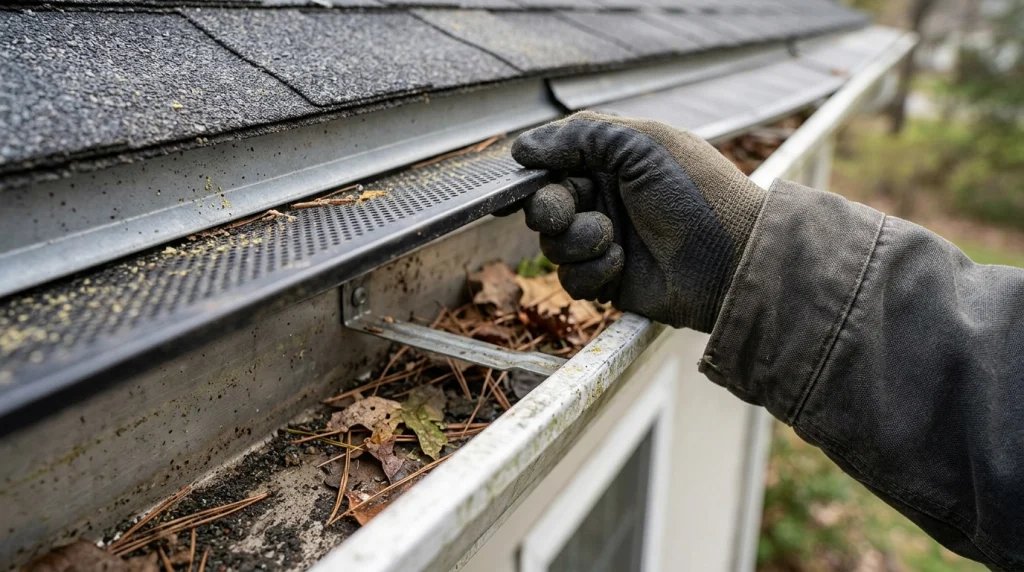
Removing guards may be necessary when debris accumulates underneath them. Packed leaves and sediment can remain hidden inside the gutter channel. A surface cleaning cannot reliably remove material that tools cannot reach.
Guard removal may also help when downspout openings are blocked. Technicians can access the gutter trough and remove compacted buildup. They can then inspect the channel before reinstalling the guards.
Some systems use screws, clips, or specialized fasteners. Removing them incorrectly can bend the guard or affect its fit. Professional handling is useful when the installation is complex or elevated.
Removal is not automatically necessary for every cleaning appointment. A technician should inspect the system and explain the recommended approach. Ask whether the estimate includes removal and reinstallation where needed.
4. What Debris Can Collect Under Gutter Guards?
Gutter guards reduce debris entering the gutter, but they do not stop everything. Sacramento homes can collect several types of material throughout the year.
Pine Needles and Small Leaves
Pine needles can pass through some screen openings. Small leaf fragments may also work through gaps over time. These materials can accumulate around joints and downspout openings.
Roof Grit and Fine Sediment
Roofing granules, dust, and pollen can settle inside the gutter. Fine sediment may gradually build up beneath the guard surface. This material can be difficult to see from the ground.
Oak Leaves, Seeds, and Twigs
Larger leaves often collect on top of gutter guards. Small seeds and broken twigs may gather near edges and seams. Accumulated material can reduce the space available for water entry.
To understand when this buildup becomes excessive, read our previous blog, How Much Debris Is Too Much for Your Gutters?
5. Signs Your Gutter Guards Need Cleaning
You do not always need to see inside the gutter to notice maintenance issues. Several visible signs suggest that your guard system needs attention.
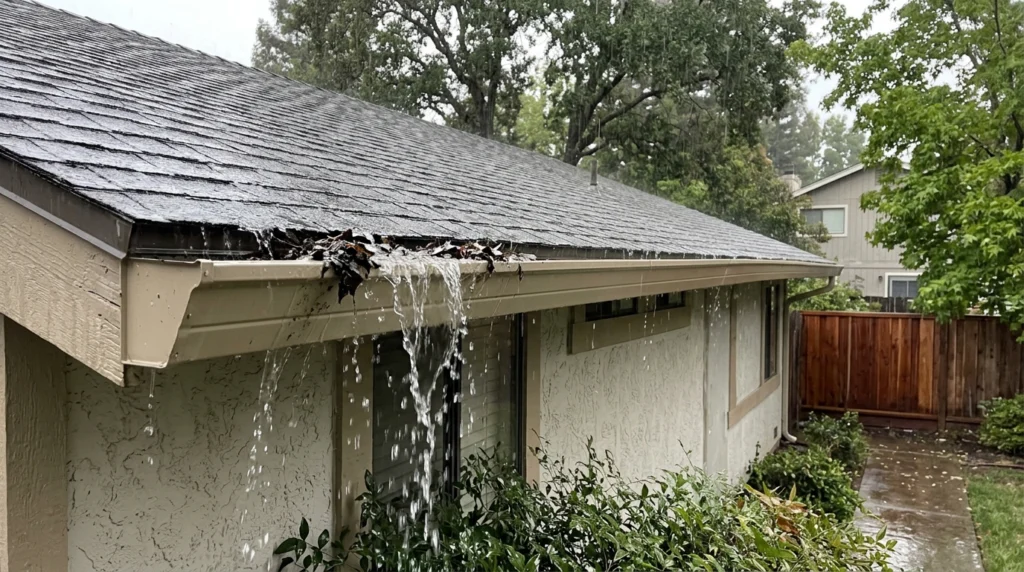
Water Overflows During Rain
Water spilling over the gutter edge can indicate restricted drainage. Debris may block water entry or accumulate inside the channel. Incorrect slope and heavy rainfall can also contribute.
Leaves Cover the Guard Surface
A thick layer of leaves can prevent water reaching the gutter. Remove accessible surface debris using an appropriate cleaning method. Check whether the material is also collecting near the edges.
Downspouts Drain Slowly
Slow drainage may indicate debris inside the gutter or downspout. A professional can check the system and determine where the restriction occurs. Additional downspout cleaning in Sacramento may be necessary.
Gutters Sag or Separate
Sagging sections deserve attention even when guards appear clean. Extra debris weight, loose fasteners, or damaged fascia may contribute. These issues may require repair beyond routine cleaning.
If you notice these warning signs, our guide on how to tell if your gutters were properly cleaned explains what to inspect after service.
6. How Professionals Clean Gutter Guards
Professional gutter guard cleaning starts with identifying the installed system. The technician checks visible debris, guard condition, and access requirements. This helps determine whether surface cleaning or removal is appropriate.
Step 1: Inspect the Guard System
The technician checks how guards are secured and identifies visible concerns. Loose sections, damaged mesh, and accumulated debris receive attention. The inspection helps establish the appropriate cleaning method.
Step 2: Remove Surface Debris
Loose leaves, twigs, and other accessible material are removed. Suitable tools help reduce the risk of damaging the guard. The method depends on the guard design and manufacturer’s instructions.
Step 3: Access the Gutter Trough When Needed
If debris remains underneath, the technician may remove selected guard sections. The gutter channel can then be cleaned more thoroughly. Not every system requires removal during every appointment.
Step 4: Check Downspouts and Drainage
The technician checks downspout openings and drainage where included. Suitable flow testing can help identify remaining restrictions. Blockages may need additional work beyond surface debris removal.
Step 5: Reinstall and Inspect
Removed guards should be secured and seated correctly. The technician checks that the system remains properly positioned. Any visible damage or maintenance concerns should be communicated.
Step 6: Complete Cleanup
Removed debris should be collected according to the service agreement. Ask whether photos or inspection notes are included. These details help you understand the work completed.
Explore our professional gutter guard cleaning service in Sacramento for more information about maintaining guarded systems.
7. Can You Clean Gutter Guards Yourself?
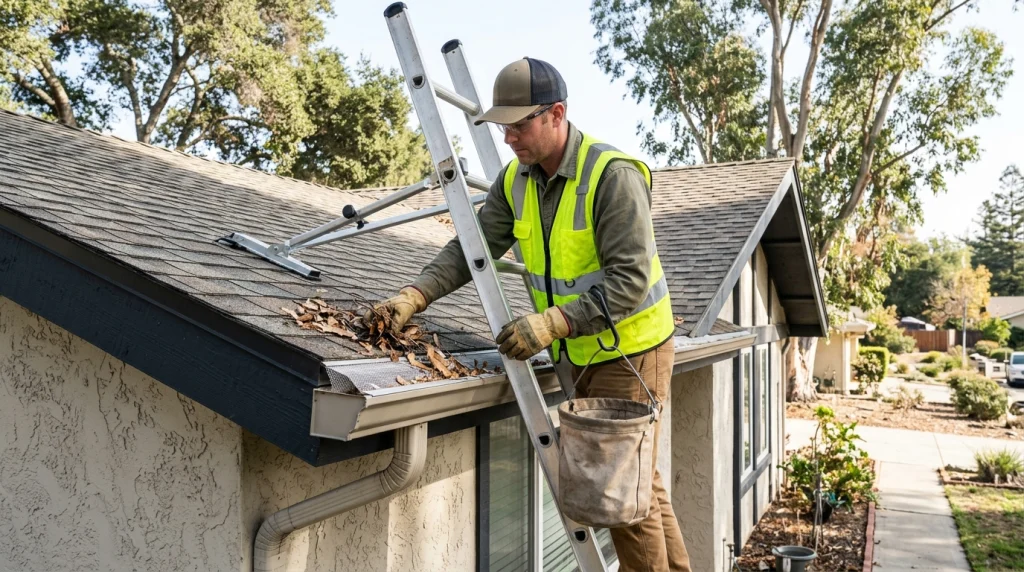
Some ground accessible debris can be removed by homeowners. However, cleaning elevated gutter guards introduces additional safety considerations. The method also depends on the guard type and installation.
Avoid walking on the roof or leaning from windows. Do not use pressure or sharp tools that could damage mesh. Check the manufacturer’s instructions before attempting any maintenance.
If ladder access is required, consider the height and working conditions carefully. Unstable ground, steep roofs, and difficult access increase the risk of injury. Professional cleaning may be the more practical choice for these properties.
The American Ladder Institute’s ladder safety resources provide general guidance on ladder selection and safe use. Always prioritize safety when deciding whether to perform maintenance yourself.
8. How Often Should Gutter Guards Be Cleaned?
Gutter guards still require periodic inspection and maintenance. The ideal schedule depends on tree coverage, guard design, and debris levels. Homes beneath mature oak or pine trees may need more frequent attention.
Many guarded systems benefit from at least one annual cleaning. Properties with heavy tree cover may need two visits or more. Check the system after seasonal leaf drop and before winter rainfall.
Sacramento homeowners should pay particular attention during fall. Oak leaves, pine needles, and other debris can accumulate before the rainy season. Spring maintenance can remove material left behind by winter weather.
For a more detailed schedule, read our published guide on how often gutters should be cleaned.
9. Does Cleaning Gutter Guards Cost More?
The cost depends on the guard design and the work required. Surface debris removal may take less time than accessing the gutter trough. Screw fasteners and delicate mesh systems can require additional handling.
Pricing may also depend on roof height, property size, and debris volume. Downspout flushing, inspection, and reinstallation can affect the final estimate. Ask for a written quote that explains the included tasks.
Before booking, compare the scope of work rather than price alone. Confirm whether guard removal is charged separately when required. A property assessment helps clarify the actual maintenance needs.
Frequently Asked Questions
Can gutters be cleaned without removing the guards?
Yes, some systems can be cleaned in place when debris is accessible. If material collects beneath the guards, partial or complete removal may be necessary.
Do gutter guards need to be removed every time?
No, removal is not necessary for every cleaning. The guard type, installation, and hidden debris determine whether removal is needed.
Can I clean gutter guards with a garden hose?
Sometimes, but only when the manufacturer permits the method. Water alone may not remove compacted debris or clear a blocked downspout.
Do gutter guards stop all leaves and pine needles?
No, guards reduce debris entering the gutter but cannot block everything. Fine particles may pass through, while larger leaves can collect on top.
How often should gutter guards be cleaned in Sacramento?
Many homes benefit from annual maintenance, while properties beneath heavy tree cover may need more frequent cleaning. Inspect the system before the rainy season.
Can clogged gutter guards cause overflow?
Yes, restricted water entry or debris inside the gutter can contribute to overflow. Heavy rainfall, incorrect slope, and blocked downspouts can also be factors.
Is professional gutter guard cleaning worth it?
Professional cleaning can help when guards are elevated, delicate, or difficult to access. It also allows hidden debris and drainage concerns to be assessed.
What happens if debris stays under gutter guards?
Hidden debris may restrict water flow and contribute to blockages. A professional inspection can determine whether cleaning or additional repairs are needed.
Final Thoughts
Can gutters be cleaned without removing the guards? Yes, when the debris is accessible and the guard design permits it. However, material underneath the guards may require partial or complete removal.
The best approach depends on the guard type, debris levels, and drainage performance. Sacramento homeowners should arrange regular inspections, especially before the rainy season. A suitable maintenance plan helps keep guarded gutters working as intended.
If your gutter guards need attention, contact us for a gutter guard cleaning estimate. We can assess your system and explain whether cleaning in place is suitable. You will receive guidance based on your property’s access, guard design, and maintenance needs.