How often should commercial gutters be cleaned? Most commercial properties should schedule gutter cleaning at least twice a year, while buildings with heavy tree coverage or recurring drainage problems may need quarterly service. Sacramento businesses can protect their buildings with a maintenance schedule based on roof design, surrounding vegetation, and seasonal debris.
Our commercial gutter cleaning service in Sacramento helps property managers, business owners, and facility teams maintain reliable drainage throughout the year. Regular cleaning removes leaves, roof sediment, and other debris before buildup restricts water flow. A planned schedule also makes it easier to identify gutter damage and arrange repairs before the next major rainstorm.
Why Commercial Gutter Cleaning Frequency Matters
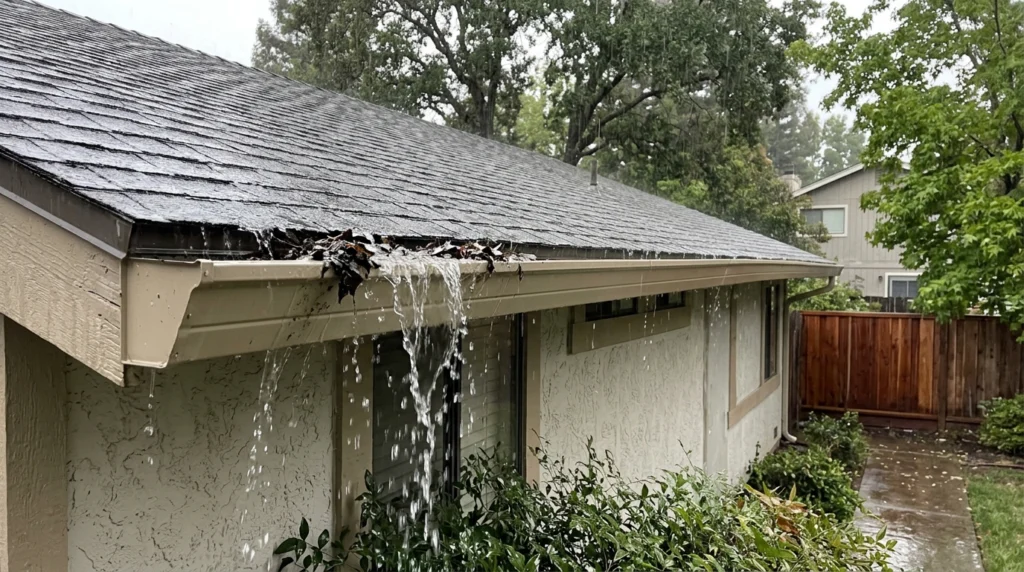
Commercial gutters manage runoff from large roof surfaces, office buildings, retail centers, warehouses, and multiunit properties. When these systems work correctly, rainwater moves toward designated downspouts and drainage points. When debris blocks the flow, water may overflow near entrances, exterior walls, walkways, and foundations.
Commercial properties can have longer gutter runs and more complex drainage systems than typical homes. Flat roofs may also use internal drains, scuppers, and collection points that need regular attention. A blockage in one area can affect drainage across a larger section of the building.
Regular gutter maintenance helps property managers protect roofing materials, exterior finishes, landscaping, and indoor spaces. It also supports more predictable maintenance budgets by identifying concerns during scheduled visits. For Sacramento businesses, planning cleaning before the rainy season is especially useful.
How Often Should Commercial Gutters Be Cleaned?
The ideal schedule depends on the building and its surroundings. Twice yearly is a sensible starting point for many commercial properties, but some locations require more frequent service.
Twice a Year for Standard Commercial Properties
Many offices, small retail buildings, and commercial properties with moderate debris exposure benefit from two cleanings each year. One visit can take place in late spring or early summer, followed by another in fall before the main rainy season.
The spring or early summer visit removes accumulated leaves, seed pods, roof grit, and other seasonal debris. The fall visit prepares gutters and drainage outlets for heavier rainfall. Together, these visits create a practical maintenance routine for properties with manageable debris levels.
Property managers should review the results after each cleaning. If gutters remain clear between visits and water drains properly, twice yearly may be sufficient. If blockages return quickly, the schedule should be adjusted.
Quarterly Cleaning for High Debris Areas
Commercial properties surrounded by mature trees may need gutter cleaning every three months. Oak leaves, pine needles, twigs, pollen, and seed pods can accumulate quickly around roof edges and drainage outlets.
Quarterly service can also suit shopping centers, apartment communities, schools, and office complexes with extensive landscaping. Multiple buildings create more roof sections and drainage points to inspect. A consistent schedule helps maintenance teams address each location before debris causes an overflow.
Properties with previous blockage problems should also consider more frequent visits. Reviewing service photos and inspection notes helps determine whether quarterly cleaning provides the right level of protection.
Monthly Inspections or Cleaning for Higher Risk Sites
Some commercial properties require monthly inspections or more frequent attention during heavy debris periods. This may apply to buildings beneath dense tree canopies, sites with ongoing construction dust, or properties where drainage problems return quickly.
Monthly service does not automatically make sense for every building. The decision should follow actual inspection findings and debris accumulation. In some cases, monthly inspections with cleaning when needed provide a practical balance.
The goal is to maintain reliable drainage without scheduling unnecessary work. A property specific assessment helps determine the most appropriate service frequency.
What Affects Your Commercial Gutter Cleaning Schedule?
Every commercial building has different drainage requirements. Before setting a maintenance calendar, consider these important factors.
1. Trees and Surrounding Vegetation
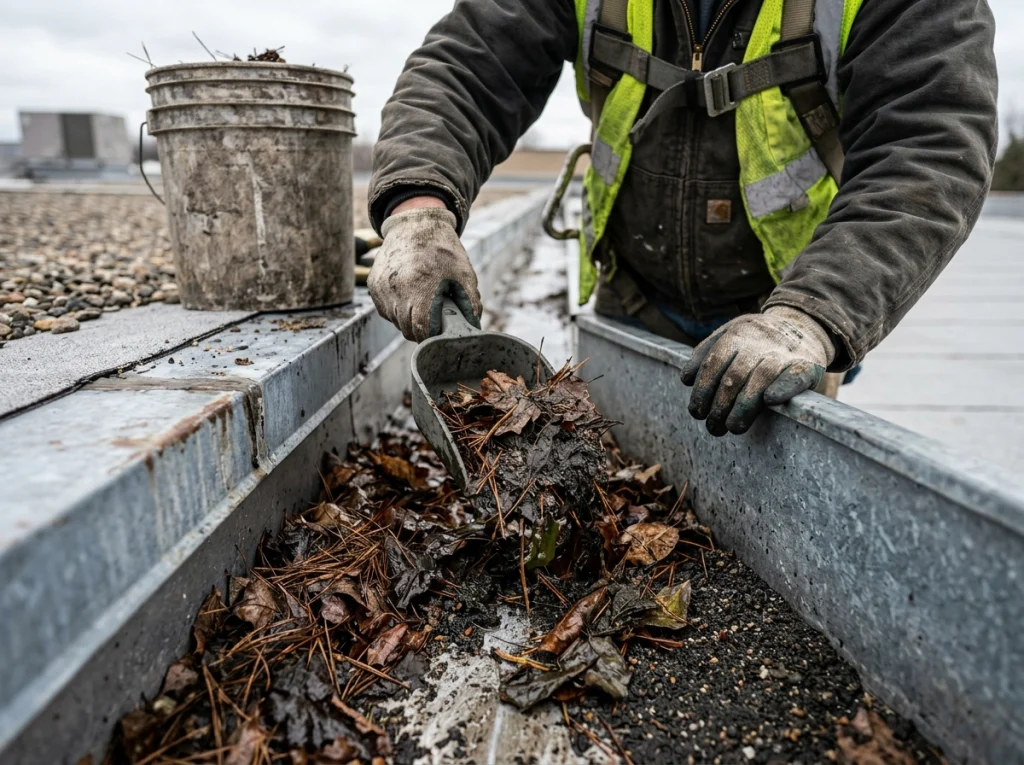
Trees are one of the biggest influences on gutter cleaning frequency. Properties with mature oaks, pines, and other overhanging trees can collect leaves, needles, seeds, and small branches throughout the year.
Sacramento properties with heavy tree coverage may need additional visits beyond the standard spring and fall schedule. Wind can also carry debris onto roofs from nearby landscaping. Even when branches do not directly touch the building, surrounding vegetation can contribute to gutter buildup.
2. Roof Size and Drainage Design
Large roofs collect runoff across extensive surfaces. Commercial buildings may also have several roof levels, internal drainage points, box gutters, and long gutter sections.
Flat and low slope roofs require attention to roof drains and scuppers as well as exterior gutters. Debris around these outlets can slow drainage and allow water to collect in unwanted areas. A complete maintenance visit should consider the drainage system as a whole.
3. Building Height and Accessibility
Multi story buildings and industrial facilities can require specialized access equipment and more detailed planning. Their gutter systems may also be difficult to inspect from the ground.
Because access affects the time and equipment required, property managers should arrange inspections before visible problems appear. Scheduling planned visits also gives service teams more flexibility to coordinate equipment and site access.
4. Previous Blockages and Water Overflow
A building with repeated blockages usually needs a closer maintenance schedule. If gutters overflow after moderate rainfall, debris may be accumulating faster than the current schedule can manage.
Previous service records can reveal recurring trouble spots. A blocked downspout, poorly draining section, or area beneath an overhanging tree may need extra attention. Cleaning should also include checking for damage that could affect water flow.
5. Sacramento Weather and Seasonal Debris
Sacramento experiences a dry summer period followed by a wetter part of the year. During dry months, gutters can collect leaves, dust, twigs, and roof sediment. Fall debris and winter storms then place additional demands on the drainage system.
Scheduling a cleaning before sustained seasonal rainfall helps prepare the property for increased runoff. A follow up visit after the main rainy period can remove remaining debris and identify drainage concerns. Buildings with heavier tree exposure may benefit from extra inspections between these visits.
The Best Time to Clean Commercial Gutters in Sacramento
Timing is just as important as cleaning frequency. A well planned schedule prepares the building for seasonal debris and changing weather conditions.
Late Spring or Early Summer
A late spring or early summer cleaning removes debris left by seasonal growth and spring winds. It also gives property managers an opportunity to inspect gutter joints, hangers, downspouts, and roof drainage outlets.
This visit can establish a useful baseline for the second half of the year. If technicians find substantial buildup, the maintenance plan can be updated before fall.
Early to Late Fall Before Heavy Rain
Fall is a key time to prepare commercial gutters for Sacramento’s rainy season. Cleaning should be scheduled according to the property’s tree coverage and the timing of local leaf drop.
Properties with mature trees may need a follow up visit after the heaviest leaves have fallen. Scheduling too early can allow additional debris to collect before winter storms arrive. The best timing depends on the site rather than a single date for every building.
After Major Storms or Unusual Debris Events
Severe winds and heavy storms can leave branches, leaves, and other debris across roof surfaces. Commercial properties should receive an inspection when a storm may have affected drainage or caused visible damage.
A scheduled cleaning does not replace a condition check after an unusual weather event. If water begins overflowing or enters the building, arrange a prompt professional assessment.
Warning Signs Your Commercial Gutters Need Cleaning
A regular schedule is helpful, but visible warning signs should never be ignored. Watch for these conditions around your property:
- Water spilling over gutter edges during rainfall.
- Leaves, twigs, or sediment collecting around downspout openings.
- Water stains on exterior walls or beneath roof edges.
- Standing water or persistent debris around roof drains.
- Plants growing inside gutter channels.
- Sagging gutter sections or loose mounting brackets.
- Damp patches appearing near ceilings or upper walls.
- Water pooling near entrances, walkways, or building foundations.
These signs may indicate a blockage, drainage issue, or damaged component. Cleaning can resolve debris related problems, while loose fittings, incorrect slopes, and damaged sections may require repairs.
Property managers should arrange an inspection when symptoms appear between scheduled visits. Responding early helps prevent a minor maintenance issue from disrupting normal building operations.
What Does Professional Commercial Gutter Cleaning Include?
Commercial gutter cleaning should address the full drainage route, not just the debris visible along the roof edge. A suitable service scope generally includes the following tasks.
Debris Removal
Technicians remove accumulated leaves, twigs, sediment, and other material from accessible gutter channels. Roof edge debris may also need attention when it affects drainage.
Downspout Flushing and Flow Testing
A gutter can look clean while its downspout remains blocked. Flushing and flow testing help confirm that water can travel through the system as intended.
Learn more about our commercial gutter cleaning service in Sacramento for details about debris removal, drainage testing, and planned maintenance.
Roof Drain and Scupper Inspection
Flat and low slope commercial roofs may use internal drains and scuppers instead of conventional exterior gutters alone. These drainage points should be checked and cleared where included in the service scope.
Gutter Condition Checks
Technicians should look for loose brackets, leaking joints, damaged sections, and signs of poor drainage. Cleaning does not repair every issue, but inspection findings help property managers plan appropriate follow up work.
Before and After Documentation
Photo documentation provides a useful record of completed maintenance. Property managers can use service photos and notes to track recurring blockages, compare conditions between visits, and plan future work.
Site Cleanup and Recommendations
Removed debris should be collected and the work area left tidy. The service provider can also recommend a suitable maintenance frequency based on the building’s actual condition.
Why Scheduled Gutter Maintenance Helps Commercial Properties
Planned gutter maintenance gives businesses more control over building upkeep. Rather than waiting for visible overflow, property managers can arrange service before debris buildup begins affecting drainage.
Regular cleaning can help reduce the risk of water related damage to exterior finishes, roof edges, and nearby landscaping. It can also reveal developing maintenance issues before they require more extensive work.
For businesses that operate throughout the week, planned visits can be coordinated around tenants, customers, deliveries, and staff activity. This helps limit disruption and makes maintenance easier to manage across multiple buildings.
Consistent records also support communication between property owners, facility teams, and service providers. When each visit includes photos and notes, it becomes easier to identify patterns and make informed decisions about future cleaning.
How to Create a Commercial Gutter Maintenance Plan
A reliable plan begins with a clear understanding of the property. Follow these steps to establish a practical cleaning schedule.
- Inspect the property. Review roof height, gutter layout, roof drains, surrounding trees, and access requirements.
- Set an initial schedule. Start with two cleanings per year for properties with moderate debris exposure.
- Record problem areas. Note recurring blockages, overflowing sections, damaged fittings, and drainage concerns.
- Adjust the frequency. Consider quarterly cleaning when debris builds up quickly or problems return between visits.
- Schedule seasonal service. Plan ahead of the main rainy season and arrange follow up inspections when needed.
- Keep service records. Store inspection notes, photos, dates, and repair recommendations for each visit.
- Review the plan annually. Changes to landscaping, roof systems, or building use may affect the ideal schedule.
For larger sites, a recurring maintenance agreement can simplify scheduling across multiple buildings. Our commercial gutter cleaning cost guide explains how building size, access, debris volume, and service frequency can influence pricing.
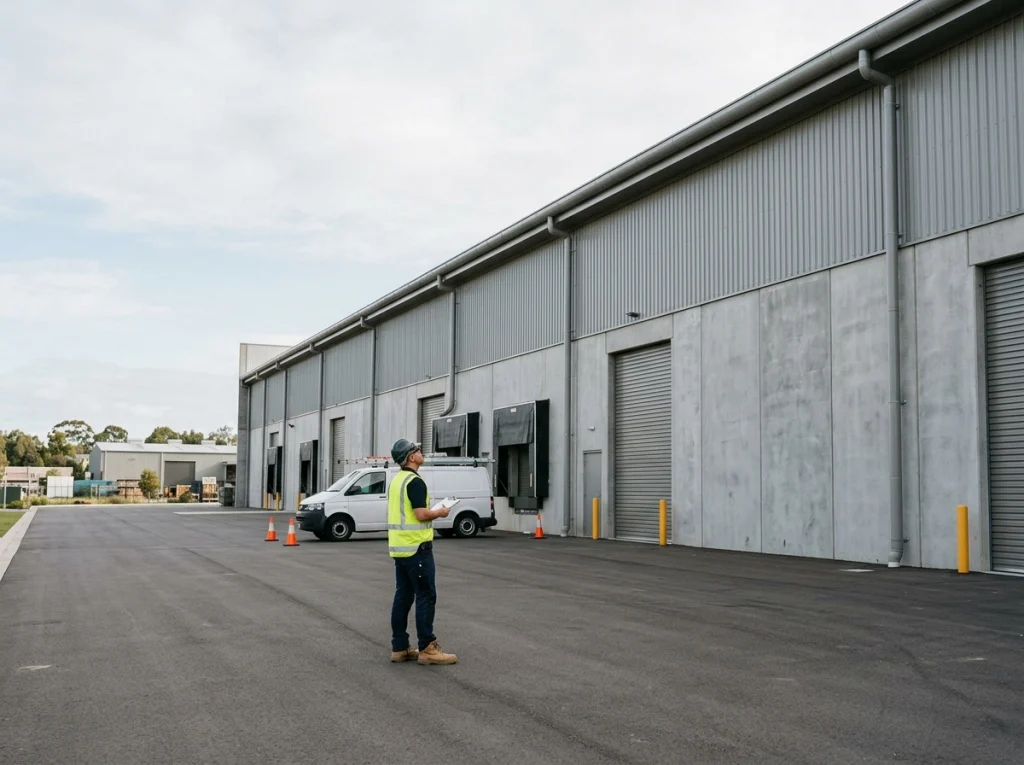
How Much Does Commercial Gutter Cleaning Cost?
Commercial gutter cleaning costs vary according to gutter length, building height, roof design, debris levels, and access requirements. Properties with complex drainage systems may need more time and specialized equipment than smaller buildings.
The number of visits also affects the annual maintenance budget. A recurring service plan can make costs easier to forecast and may reduce the cost per visit compared with arranging separate one time appointments. The actual savings depend on the property and the agreed service scope.
When comparing estimates, check what each quote includes. Debris removal, downspout flushing, roof drain attention, inspection notes, and photo documentation can make a meaningful difference in the service provided.
For an estimate based on your building, visit our commercial gutter cleaning cost guide or request a property specific assessment.
Commercial Gutter Cleaning Safety and Professional Service
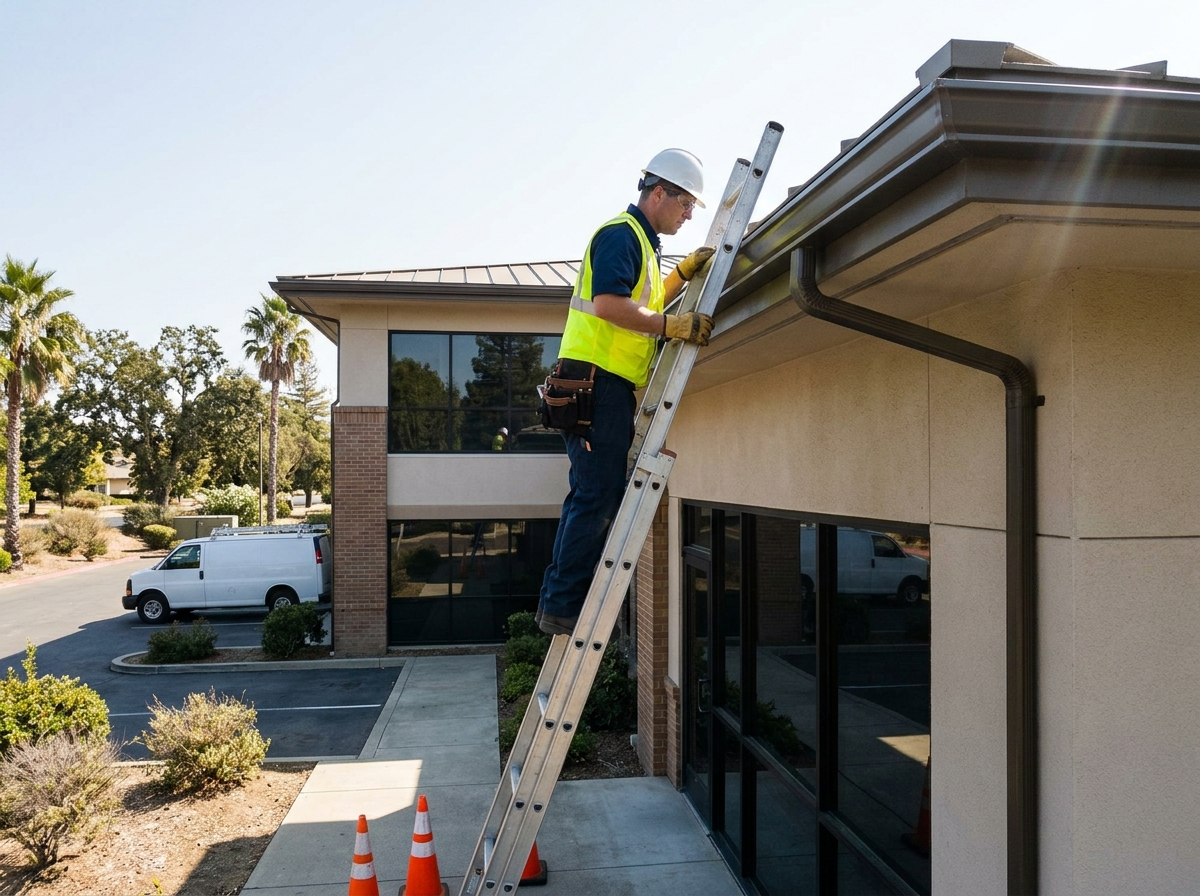
Commercial gutter maintenance may involve elevated work areas, complex roofs, and specialized access equipment. The safest approach depends on the building height, roof condition, access points, and site specific hazards.
Property managers should choose a qualified service provider with appropriate insurance, equipment, and safety procedures. Work should be planned to protect employees, tenants, visitors, vehicles, and surrounding property.
For additional workplace guidance, consult the Occupational Safety and Health Administration’s ladder safety requirements. These requirements cover important ladder use and inspection practices for applicable construction work.
Frequently Asked Questions
How often should commercial gutters be cleaned?
Most commercial properties should have their gutters cleaned twice a year. Buildings with heavy tree coverage, large roof systems, or repeated blockages may need quarterly service or more frequent inspections.
Are two gutter cleanings per year enough for a commercial building?
Two cleanings per year may be enough for buildings with moderate debris exposure and reliable drainage. Properties with mature trees, flat roof drains, or recurring overflow should have their maintenance schedule reviewed.
When should commercial gutters be cleaned in Sacramento?
Late spring or early summer and fall are useful starting points for Sacramento commercial properties. Schedule the fall visit around local leaf drop and before sustained seasonal rainfall, with additional service when site conditions require it.
Do warehouses need more frequent gutter cleaning?
Some warehouses need more frequent cleaning because they have large roof areas, long gutter runs, or complex drainage systems. The right frequency depends on debris exposure, roof design, and previous inspection findings.
Should commercial roof drains be cleaned with the gutters?
Yes, when roof drains and scuppers are part of the building’s drainage system, they should be considered during maintenance. A clear exterior gutter cannot compensate for a blocked internal drain or restricted outlet.
Can blocked commercial gutters damage a building?
Blocked gutters can cause water to overflow near roof edges, walls, entrances, and foundations. Prolonged moisture exposure may damage exterior finishes and contribute to more extensive water related problems.
Is quarterly commercial gutter cleaning worth it?
Quarterly cleaning can be worthwhile for properties that collect debris quickly or experience repeated blockages. It allows maintenance teams to address buildup before it interferes with drainage, although the schedule should be based on an inspection.
What should a commercial gutter cleaning service include?
A thorough service generally includes debris removal, downspout flushing, drainage testing, inspection of accessible components, cleanup, and documentation. Roof drains and scuppers should also be included when they form part of the agreed service scope.
How can property managers track gutter maintenance?
Property managers can keep a record of service dates, before and after photos, inspection findings, and recommended repairs. These records help identify recurring problems and determine whether the current schedule needs adjustment.
Can commercial gutter cleaning be scheduled outside business hours?
Yes, scheduling may be arranged around building operations, tenant activity, and access requirements. Confirm suitable times with the service provider before work begins to help reduce disruption.
Protect Your Commercial Property With a Planned Cleaning Schedule
Commercial gutters work best when maintenance follows the property’s actual needs. For many Sacramento buildings, twice yearly cleaning is a practical starting point, while tree heavy sites and complex drainage systems may benefit from quarterly service.
Our team provides commercial gutter cleaning in Sacramento for offices, retail centers, warehouses, apartment communities, HOAs, and other commercial properties. We can assess your building’s layout, debris exposure, and drainage requirements to recommend a suitable maintenance plan.
Request a free commercial gutter cleaning estimate today and take a proactive step toward protecting your property throughout the year.